
“Strong people are harder to kill than weak people, and more useful in general.”
~Mark Rippetoe
My core philosophy as a trainer is that EVERYONE can benefit from being stronger. Even if you don’t want to deadlift a truck, lifting weights can improve your health and general quality of life in a multitude of ways.
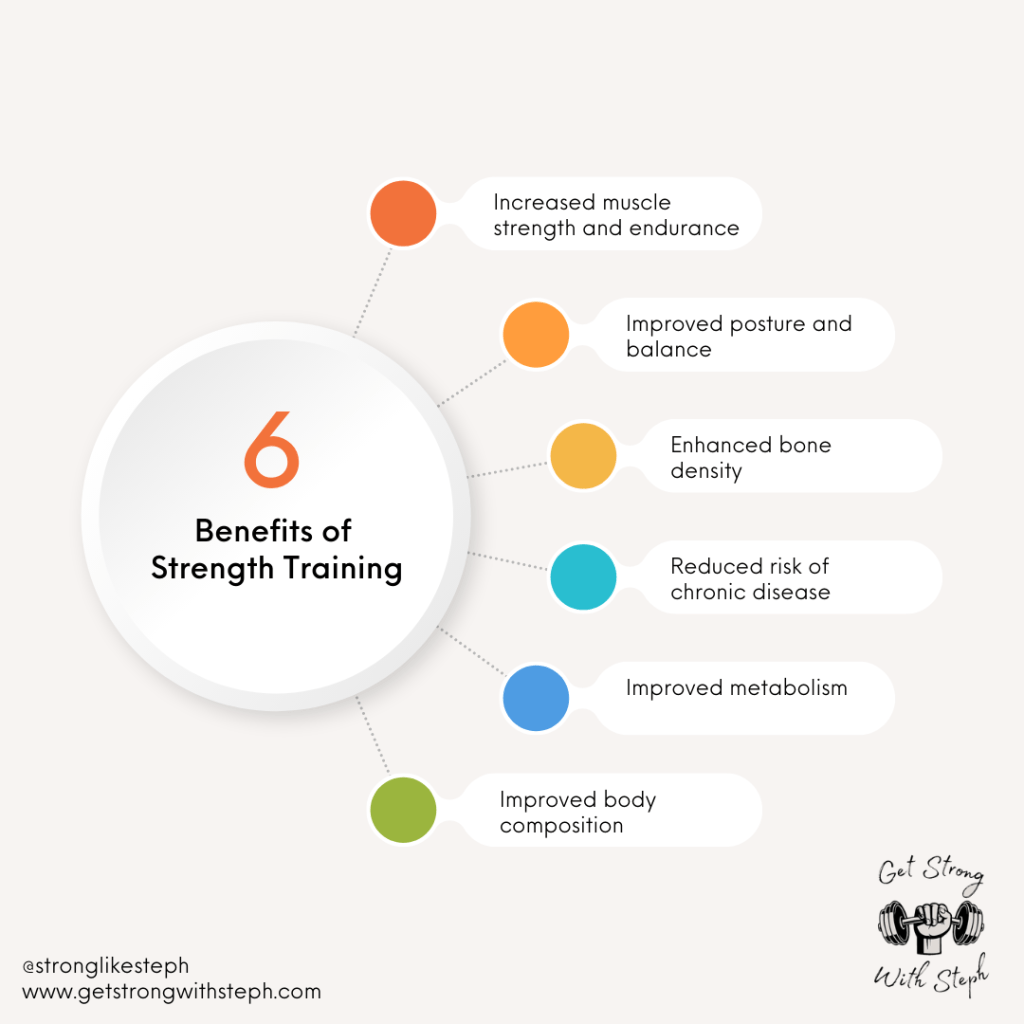
Increased Muscle Strength, Endurance, and Power
One of the primary benefits of strength training is that it helps to increase muscle strength and endurance. As you perform resistance exercises, your muscles are forced to work harder than they would during normal activities. Over time, this increased workload develops stronger, more powerful, and more resilient muscles.
Improved Bone Density
Strength training is also beneficial for improving bone density. This is particularly important for older adults who are at a higher risk for osteoporosis, a condition in which bones become weak and brittle. By placing stress on the bones through weight-bearing exercises, such as squats, deadlifts, and different types of presses, strength training can help to increase bone density and reduce the risk of fractures.
Increased Metabolism & Improved Body Composition
Strength training can also help to increase metabolism. Muscle tissue is more metabolically active than fat tissue; thus by increasing muscle mass through strength training, you can boost your metabolism, burn more calories, and improve body composition, even when you are not exercising. By increasing muscle size and reducing body fat, strength training can improve muscle definition and create a more aesthetic physique.
Improved Posture, Balance, and Neuromuscular Coordination
Strength training improves the connection between the nervous system and muscles, resulting in better control and coordination of movements, posture, and balance. By strengthening the muscles that support your spine, shoulders, and hips, you can improve your overall posture and reduce the risk of back pain. Additionally, by strengthening the muscles used for balance, such as the glutes and core muscles, you can improve your balance and reduce the risk of falls. Furthermore, stronger muscles help to support and stabilize joints, reducing the risk of injury.
Reduced Risk of Chronic Disease
Finally, strength training has also been shown to reduce the risk of chronic disease. Regular exercise, including strength training, can help to lower blood pressure, improve cholesterol levels, and reduce the risk of diabetes, heart disease, and some forms of cancer. Lifting weights can also provide some serious stress relief.
 Get Strong With Steph
Leave a comment